


Can Pet Scratches Be Repaired on Leather?
- ashbourneleathercare

- Aug 2
- 5 min read
Can Pet Scratches Be Repaired on Leather? A dog jumping on the sofa or a cat using the armrest as a perch can leave marks that make an otherwise lovely leather suite look tired overnight. So, can pet scratches be repaired? In many cases, yes. The right repair can greatly reduce or remove the visible signs of claws, scuffs and surface colour loss - without the cost and upheaval of replacing your furniture.
The result depends on how deep the damage is, the type of leather and whether previous cleaning products have affected the finish. A light scratch on a protected leather sofa is very different from a tear in soft, natural leather. The key is to avoid making the damage worse while arranging an informed assessment.
Can pet scratches be repaired on a leather sofa?
Most pet-related damage falls into one of two categories: surface scratches or deeper claw damage. Surface scratches affect the protective coating and colour on top of the leather. They may look pale, white, dark or dull depending on the sofa colour and the angle of the light. These are often highly repairable.
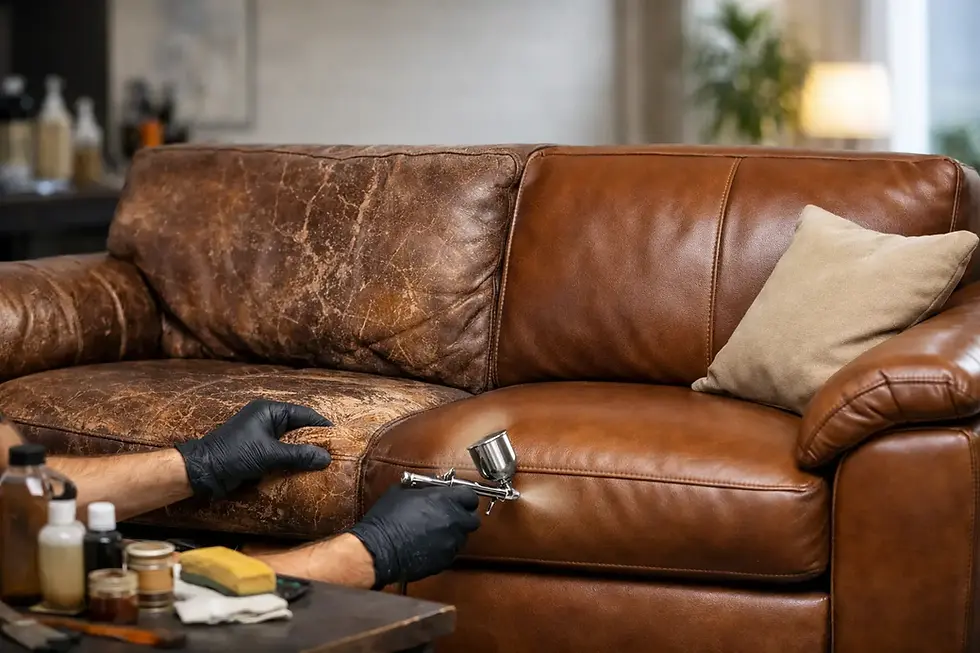
A specialist can clean the affected area, smooth light abrasion where appropriate, rebuild the finish and carefully colour-match the repair to the surrounding leather. The final protective coating is then applied to help the repaired section blend in with the existing sheen of the sofa.
Deeper scratches are more involved. If claws have cut into the leather, lifted fibres or created small splits, the damaged area may need to be stabilised and filled before refinishing. With good repair work, the aim is not simply to cover a scratch with colour. It is to restore an even, durable surface that looks at home with the rest of the furniture.
Very deep tears, missing leather or extensive repeated clawing can still be improved, but the finish may not be completely invisible on close inspection. A professional should be clear about what is achievable before work begins.
Why pet scratches can look worse than they are
Leather is a natural material, but most modern leather furniture has a coloured and protective surface finish. A pet's claw can disturb that finish without necessarily damaging the hide beneath it. This is why a fine scratch can look bright against dark brown, black, navy or red leather, even when the actual mark is shallow.
It also explains why rubbing the area with household products can be a mistake. Oils, shoe polish, waxes and coloured leather creams may temporarily darken a scratch, but they can leave a patchy residue and interfere with later repairs. Some products also alter the sheen, making the treated area more noticeable than the original damage.
Natural aniline and semi-aniline leathers need particular care. They have a softer, less heavily coated appearance and can absorb unsuitable products more readily. Corrected-grain and pigmented leathers are generally more forgiving, although they still require a colour and finish that matches the sofa properly.
What a professional leather scratch repair involves
A good repair is built up in stages. The exact approach varies from sofa to sofa, but it usually begins with identifying the leather type, colour, level of wear and the extent of the claw damage.
The area is first cleaned to remove body oils, everyday grime and residues that can prevent materials from bonding. Loose fibres or rough edges are addressed carefully. Where a scratch has broken the surface, a flexible repair compound may be used to level the damage without creating a hard, obvious patch.
Colour restoration is where specialist experience matters. Leather is rarely one flat shade. Even a sofa described as cream, grey or tan can have subtle variations created by use, light and the original finish. The repair colour must be blended to suit the surrounding leather, then applied in controlled layers. Finally, the sheen is matched as closely as possible, whether the furniture has a matt, satin or more polished appearance.
The goal is a repair that looks natural from normal viewing distance and stands up to everyday use. It is a more considered process than applying a quick-fix cream over a mark.
When scratches are likely to repair well
Light scuffs, fine claw lines, small areas of colour loss and shallow abrasions usually offer the best results. Marks on seat fronts, armrests and cushion edges can often be restored effectively, even when they are in a visible area.
Repairs are also worthwhile when the rest of the sofa remains structurally sound. If you love the comfort, shape and quality of your furniture, restoring a damaged section is often a far more sensible option than replacing the entire piece because of a few pet marks.
When the damage needs a closer assessment
A deeper assessment is needed if the leather has split, if the stuffing is visible, or if there are many scratches spread across large sections of the sofa. The same applies to older furniture with widespread fading, cracking or peeling.
In these cases, a targeted scratch repair may form part of a wider refurbishment. Colour restoration across an arm, panel or full seating area can create a more even result where the original finish has worn away over time. It depends on the condition of the furniture and the standard of finish you would like to achieve.
What not to do after your pet scratches leather
The first instinct is often to reach for whatever is in the cupboard. Resist that temptation. Do not use nail polish, permanent marker, household paint, shoe dye, cooking oil or strong cleaning sprays on the scratch. These can stain the leather, leave it greasy, strip the finish or make accurate colour matching more difficult.
Avoid aggressive rubbing too. A dry cloth can be used gently to remove loose dust, but repeated rubbing may spread the scuff and weaken the surface further. If the scratch is fresh and a flap of leather is lifting, keep pets away from the area and avoid pressing it back with glue.
Take clear photographs in natural daylight instead. Include one close-up image and one photo showing the damaged section in context. This gives a leather repair specialist a much better starting point for advising on the likely repair method and quotation.
Preventing the next round of claw marks
A repaired sofa deserves a little protection, particularly if your pet has a favourite spot. Keeping claws trimmed helps, but it is not always enough with energetic dogs or cats who jump up quickly. A throw placed over a preferred sleeping or lookout area can reduce wear while still keeping the room comfortable and presentable.
Regular leather cleaning and conditioning also matters. Dirt and body oils gradually dry and dull the surface, making it less resilient to everyday scuffs. Use products designed specifically for your type of leather, and test any cleaner on a hidden area first.
It is also worth considering the sofa layout. If a cat repeatedly climbs the same side of an armrest to reach a window, moving a chair, adding a pet step or creating an alternative perch may protect the leather better than repeated repairs. Small changes to the routine can make a real difference.
A practical alternative to replacing damaged furniture
Pet scratches can be frustrating, especially on a sofa that still fits your home perfectly. But visible claw marks do not automatically mean the furniture is beyond saving. Professional leather restoration can address surface damage, rebuild deeper scratches and refresh worn colour so the piece feels cared for again.
For homeowners in Dublin, Meath, Kildare and Louth, Ashbourne Leather Care can assess photographs of the damage and provide a quotation before arranging convenient on-site work. The best next step is simple: photograph the scratches clearly, keep unsuitable products away from the leather, and get an expert view before deciding whether replacement is really necessary.


Comments