


Leather Recolouring Innovations for Worn Sofas

Leather Recolouring Innovations for Worn Sofas. A faded sofa does not always need replacing. Modern leather recolouring innovations make it possible to restore worn seating with far greater accuracy than a simple all-over dye or cover-up. For homeowners, that means a tired-looking leather suite can often regain its original depth of colour, even finish and cared-for appearance without leaving the house.
The best results do not come from applying colour alone. They come from understanding the leather, preparing the damaged area properly and rebuilding the finish in layers. This is where professional restoration has moved well beyond the old idea of rubbing on a colour cream and hoping for the best.
What has changed in leather recolouring?
Leather furniture is exposed to daily use in ways that gradually change its appearance. Sunlight can fade cushions nearest a window. Body oils can darken headrests and armrests. Scuffs remove surface colour around edges, while a spill of bleach, ink, nail polish or glue can leave a sharp, highly visible mark.
Earlier repair methods could sometimes leave a clear boundary between the repaired and untouched sections. Modern colour restoration focuses much more closely on blending. A specialist can assess the existing shade, its level of sheen and the texture of the finish before building colour gradually. The aim is not simply to make damage less noticeable. It is to bring the repaired area back into harmony with the rest of the furniture.
This matters particularly on large leather sofas, where even a slight mismatch can stand out across a seat cushion or arm panel. A repair needs to look right in normal daylight, not only under workshop lighting.
Accurate colour matching is the real breakthrough
Most leather furniture is not one flat, uniform colour. What looks like black may have warm brown undertones. A cream sofa may have subtle beige shading, while a grey suite may lean blue, green or taupe depending on the light. Natural wear also means the colour currently visible may differ from the original factory shade.
Professional recolouring is therefore a matching process rather than a guess based on a colour chart. The restorer considers the leather’s present condition, the surrounding panels and the area being repaired. Colour can then be adjusted and tested before it is applied in fine, controlled coats.
This approach is especially useful when only one section has faded or been damaged. Instead of recolouring an entire suite unnecessarily, targeted work may restore a bleach mark, scraped corner, ink stain or worn armrest while preserving the character of the surrounding leather. Whether this is the right option depends on the extent of the damage. If the finish is worn across every seat and cushion, a broader refurbishment may give a more balanced result.
Matching the finish, not just the shade
A perfect shade can still look wrong if the finish is too glossy, too flat or too smooth. Leather upholstery can have a matt, satin or higher-sheen appearance, and that finish affects how light moves across the surface.
Current restoration systems allow colour and protective finishes to be applied in light layers. This provides better control over coverage and sheen, helping the repaired area blend with the original upholstery. On textured leather, preserving or recreating the natural grain appearance is equally important. A repair that feels noticeably different from the rest of the sofa will draw attention, even when the colour is close.
Better preparation leads to longer-lasting results
The most effective leather recolouring innovations are not always the ones you can see. Surface preparation is a major part of a durable repair. Dirt, household polish, oils and loose finish can prevent new colour from adhering as it should.
A professional service starts by cleaning and assessing the leather rather than applying pigment straight onto the problem. Damaged edges may need to be stabilised, light scuffs smoothed and residue carefully removed. Where there is a scratch the physical damage may need repair before colour restoration begins.
This sequence makes a real difference. Applying colour over a greasy headrest, flaking surface or untreated scrape may improve its appearance briefly, but it will not address the cause of the failure. Proper preparation gives the new finish the best possible foundation.
Flexible coatings help sofas cope with everyday use
Sofa leather bends, stretches and compresses every day. Seat cushions flex when someone sits down, armrests rub against clothing, and headrests receive repeated contact. Recolouring products must be suitable for that movement.
Modern leather finishes are designed to be applied in thin, flexible layers, rather than creating one heavy coating that can look painted or become prone to cracking. The right finish is selected according to the type and condition of the leather, then allowed to cure correctly before the furniture is returned to normal use.
There is still no shortcut around realistic expectations. Severely cracked leather, widespread peeling or very old upholstery can require more extensive refurbishment, and some damage may limit what can be achieved. A good specialist will explain this clearly before work begins. The objective is a strong, natural-looking improvement that suits the condition of the furniture, not a promise that ignores the leather’s age or history.
Why on-site restoration suits leather furniture
Leather Recolouring Innovations for Worn Sofas. One of the most practical developments for homeowners is the ability to carry out many leather repairs and recolouring jobs in the home. Large sofas are awkward to move, and arranging collection can add cost, delay and disruption.
With an on-site service, the furniture can be assessed in the room where it is used. This can help when judging colour under the home’s normal lighting and deciding whether a local repair or wider recolouring is needed. It also avoids the risks of moving a heavy suite through hallways, doorways and stairs when there is no need to do so.
For households in Dublin, Meath, Kildare and Louth, Ashbourne Leather Care provides this kind of focused mobile restoration. Customers can send photographs of the damage and their location to receive a quotation before arranging a visit. It is a straightforward way to establish what is possible without committing to replacement furniture first.
When recolouring is a better choice than replacement
Replacing a leather sofa can be expensive, particularly when the frame and cushioning are still comfortable and sound. Recolouring is often the sensible option when the problem is mainly cosmetic: faded colour, light scuffs, worn arms, damaged headrests or an isolated household accident.
It is also a practical choice when you like the shape, size and comfort of your existing furniture. A replacement may not fit the room in the same way, and matching a new piece to other furniture can be surprisingly difficult. Restoring what you already own can protect that investment while improving how the room feels.
That said, recolouring is not a cure for structural issues. A broken frame, badly collapsed cushions or extensive leather deterioration may call for a different solution. Clear photographs allow a specialist to give more useful guidance from the start.
Looking after a newly restored finish
Once leather has been recoloured, gentle care helps preserve the result. Avoid harsh household cleaners, alcohol-based wipes and products not intended for leather upholstery. They can strip protective finishes, alter the sheen or cause fresh colour loss.
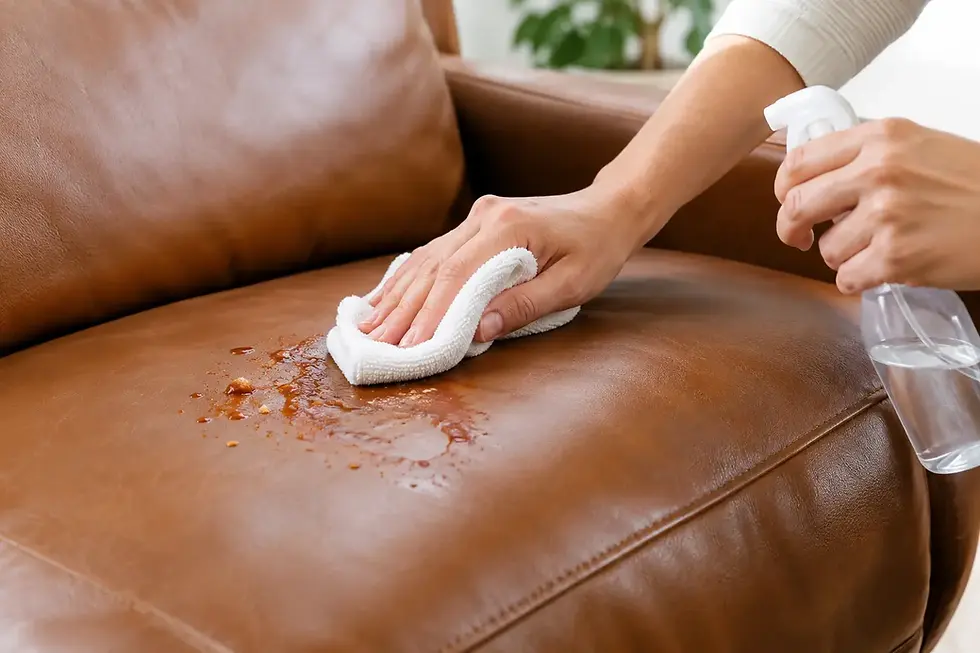
Wipe up spills promptly with a soft cloth, keep the sofa away from prolonged direct sunlight where possible and use a suitable leather cleaner and protector as advised. Pay attention to the areas that receive the most contact, especially headrests, arms and favourite seats. Regular, light care is far easier than waiting for oils and dirt to build up.
If your sofa has lost colour, picked up a stubborn stain or simply no longer looks at home in your living room, take a few clear photos in daylight. A professional assessment can show whether targeted recolouring could bring your leather back to life, saving a good piece of furniture from being replaced too soon.


Comments