


Leather Scratch Solutions for Sofas That Last

Leather Scratch Solutions for Sofas That Last. A set of keys dropped on the armrest, a dog jumping up for a better view of the window, a buckle catching the seat cushion - most sofa damage happens in seconds. The right leather scratch solutions can make a visible difference, but the best approach depends on whether the mark has affected the finish, the colour, or the leather itself.
A light surface scuff may respond well to careful cleaning and conditioning. A deep scrape that has removed colour or lifted the top layer needs a more considered repair. Acting early helps, but using the wrong product can turn a small mark into a larger, shinier or permanently discoloured patch.
Start by identifying the type of scratch
Not every mark on a leather sofa is a scratch. Some are simply scuffs, where another material has transferred onto the surface. Others are abrasions that have worn through the protective coating and exposed a lighter area underneath. Deep scratches may leave a rough edge, a tear, or a visible line in the leather grain.
Most modern leather furniture has a coloured, protective finish over the leather. This is why a scratch can look pale even when the hide below is not badly damaged: the surface colour has been disturbed. Correcting that finish requires colour matching and careful blending, rather than just rubbing in a general-purpose polish.
Leather also varies widely. Smooth pigmented leather and bonded leather all react differently to cleaning products, conditioners and repair compounds. If you are unsure what type of upholstery you have, avoid experimenting on the most visible part of the sofa.
Surface scuffs and transferred marks
A surface scuff often looks dark, grey or black and may sit on top of the leather rather than cutting into it. Shoe soles, bags, toys and furniture hardware are common causes. These marks can sometimes be reduced with a suitable leather cleaner and a soft cloth, using gentle pressure rather than vigorous rubbing.
Do not use household wipes, washing-up liquid, abrasive pads or strong solvents. They can strip the finish, leave residue, or create an uneven sheen. Even if the mark fades at first, the surrounding leather may dry out or lose colour later.
Colour loss and abrasion
When a scratch appears white, cream or noticeably lighter than the surrounding upholstery, the colour coating may have been worn away. This is particularly common on sofa arms, seat edges and headrests, where daily contact gradually weakens the finish before a scrape occurs.
A repair at this stage is about more than adding colour. The affected area needs to be cleaned, prepared, colour matched and refinished so it sits naturally within the surrounding panel. A patch that is technically the right shade can still stand out if its gloss level or texture is wrong.
Deep scratches and lifted leather
If you can feel an edge with your fingernail, see fibres, or notice that the leather has lifted, pause before applying any cream or dye. Heavy products may settle into the damage and make the line more obvious. Adhesives used without the right preparation can harden, darken the area or leave the leather stiff.
Deep damage can often be repaired, but it calls for targeted work. A specialist may stabilise the damaged area, rebuild a smooth surface where appropriate, restore the colour and apply a finish that matches the rest of the furniture.
Leather scratch solutions that are safe to try
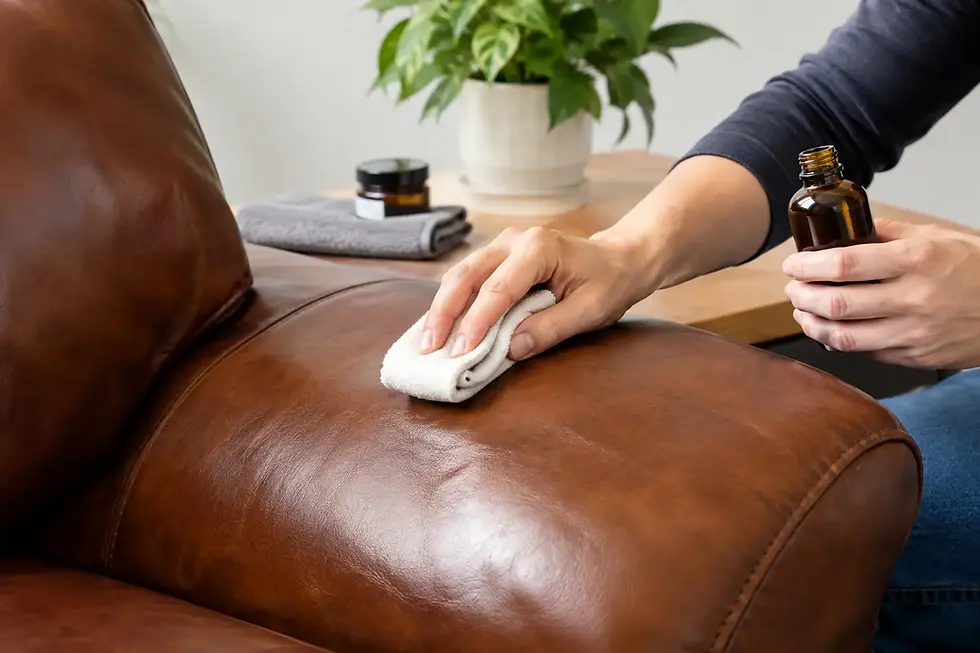
For a fresh, light scuff, begin with the least aggressive option. Remove loose dust with a dry, soft microfibre cloth. Then use a leather cleaner designed for furniture, following the product instructions and testing it in a hidden area first. Work in small sections and allow the leather to dry naturally.
If the mark is reduced and the surface still feels smooth, a quality leather protector or conditioner may help maintain suppleness. Conditioning is useful as part of regular care, particularly in homes with central heating, sunlight or frequent use. It is not, however, a cure for missing colour or significant abrasion.
Be realistic about what home treatment can achieve. It can lift superficial dirt and reduce very minor scuffing. It cannot reliably recreate a factory colour finish across a damaged armrest, hide a scrape in pale leather, or repair a scuff without a risk of visible results.
When a professional repair is the better choice
Leather Scratch Solutions for Sofas That Last. Professional leather scratch solutions are generally worthwhile when the sofa is good quality, the damaged area is in clear view, or the colour loss is more noticeable than the scratch itself. Replacing a leather sofa because of one damaged panel is often unnecessary. A well-planned repair can restore the appearance of the furniture at a fraction of replacement cost.
A specialist repair is particularly useful for scratches caused by pets, sharp objects, moving house, children’s toys or worn seams. It is also the sensible route when previous DIY products have left a sticky finish, an overly dark patch, or a shine that does not match the rest of the sofa.
The repair process usually starts with an assessment of the leather type, colour and extent of the damage. The area is cleaned and prepared before any repair material or colour is applied. Colour is then blended into the affected section, followed by a suitable protective finish. On heavily used furniture, a wider area may need refurbishment so the repair does not look isolated.
This is why photographs are helpful when requesting a quotation. Clear images taken in daylight, including one wider image of the sofa and close-ups of the damage, allow the repairer to judge whether the issue is surface scuffing, colour loss or structural damage. It also helps to mention the sofa’s age, its colour and anything already applied to the mark.
Common mistakes that make scratches worse
The temptation to fix a scratch quickly is understandable, especially on a recently purchased sofa. Yet a few common shortcuts regularly make professional restoration more difficult.
Furniture polish, oil and wax can create a temporary darker appearance, but they may interfere with later colour restoration. Shoe polish is not designed for upholstery and can rub off onto clothing. Permanent markers, household paint and generic leather dyes rarely match the shade or finish of furniture leather, and they can leave harsh edges around the repair.
Be cautious with online repair kits too. Some can be useful in skilled hands, but colour names such as "brown" or "grey" are far too broad for an exact match. Leather colours often contain subtle undertones that become clear only once the finish dries. A repair can look acceptable in the evening and noticeably wrong in natural daylight.
Keep pets away from the area while it is being cleaned or repaired, and do not sit on it until products have fully cured. Rushing this stage can transfer colour, leave impressions in the finish or attract dust.
Preventing new scratches on leather furniture
Leather is durable, but it benefits from routine care. Dust and grit act like fine abrasives over time, especially on seats and arms. A gentle wipe with a soft cloth and occasional cleaning with appropriate leather products will help preserve the protective finish.
Position sofas away from strong, direct sunlight where possible. Sun exposure can fade colour and dry the surface, making it more vulnerable to scuffs and wear. Take care with zips, belt buckles, rough decorative cushions and metal toys, particularly around the edges of seat cushions and armrests.
For homes with pets, keeping claws trimmed and providing an attractive alternative resting spot can reduce repeat damage. That said, even careful homes have accidents. The key is to avoid panic fixes and deal with visible damage before dirt settles into the scratched area.
Bring the sofa back to a finish you can enjoy
A scratched leather sofa does not automatically need replacing, and it does not have to remain the first thing you notice when you enter the room. Whether the damage is a small scuff, missing colour on an armrest or a deeper scrape, the right treatment should protect the leather as well as improve its appearance.
For homeowners across Dublin, Meath, Kildare and Louth, Ashbourne Leather Care provides on-site assessment and restoration for damaged leather furniture. Send clear photos of the scratch and your location to receive a straightforward quotation, then let experienced repair work bring your leather back to life.


Comments