


Leather Upholstery Repair or Replacement?

Updated: 4 days ago
Leather Upholstery Repair or Replacement? A leather sofa can look tired long before it is ready to be replaced. The seat cushions may have faded where the family sits every evening, a spill may have left a stubborn mark, or the arms may be covered in scuffs from daily use. Leather upholstery is made to be lived with, but it does need the right care when wear and accidents start to show.
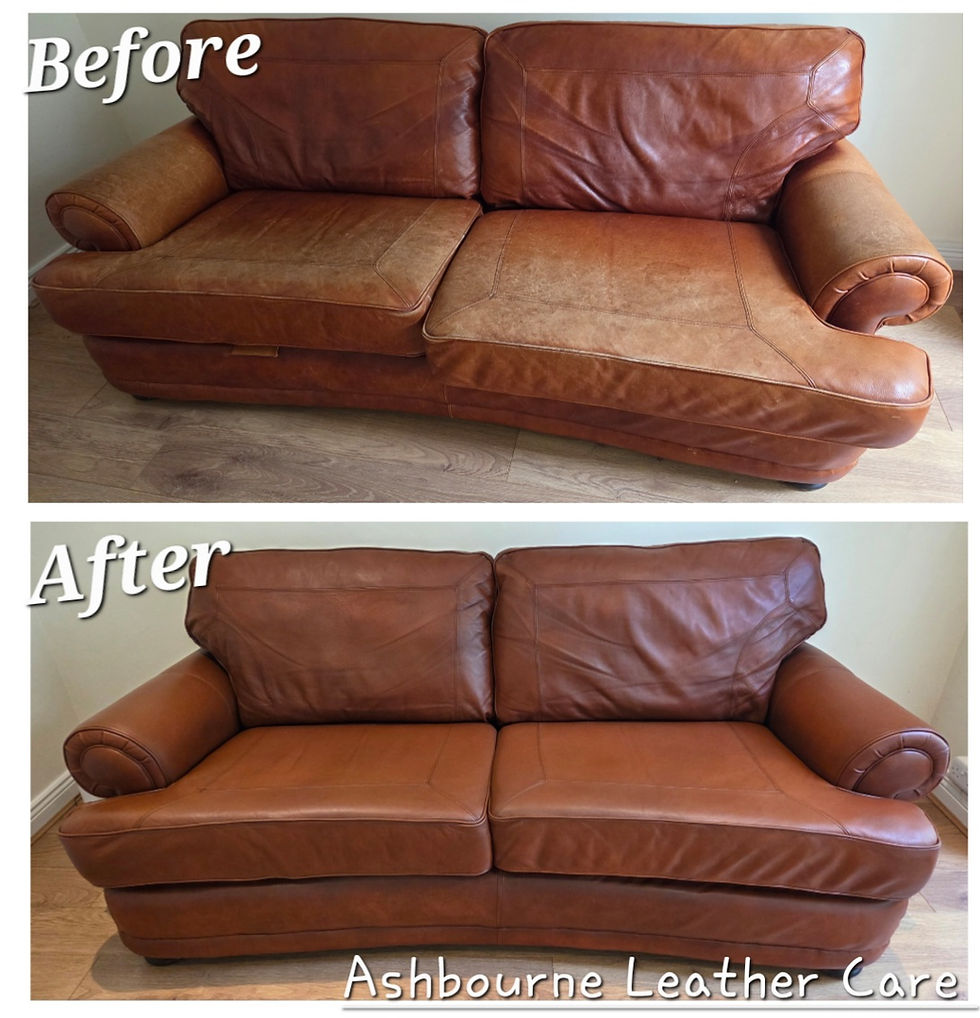
For many homeowners, the first instinct is to cover the damage with a throw or start looking for a new suite. That can be an expensive decision, particularly when the frame, cushioning and overall comfort of the furniture are still sound. Professional leather restoration can often bring back the colour, finish and appearance of a well-loved sofa without the upheaval of replacement.
When leather upholstery is worth restoring
The best candidates for restoration are pieces with good underlying structure. If your sofa remains comfortable, the stitching is largely secure and the leather has not deteriorated beyond repair, visible surface damage does not have to mean the end of the furniture.
Colour loss is one of the most common issues. Dark brown, black, cream and red leather can all become patchy over time, especially on seat areas, armrests and headrests. Body oils, sunlight, cleaning products and simple everyday friction gradually wear away the original finish. A specialist can clean the affected area, prepare the surface and carefully recolour it to blend with the surrounding leather.
Scuffs and scratches are also frequently repairable. Dog claws, zips, belt buckles, children’s toys and moving furniture can all leave their mark. Light surface scuffs may only need cleaning and colour restoration. Deeper scratches, worn patches may require filling, smoothing and refinishing before the colour is applied.
Stains are another reason to seek advice before assuming the worst. Ink, nail polish, glue, bleach, paint and food spills each behave differently on leather. The wrong household cleaner can spread the mark, strip colour or leave a shiny patch that is more noticeable than the original stain. A targeted repair is usually safer than repeated attempts with whatever is under the kitchen sink.
Not every leather problem has the same solution
Leather is not one single material. Finished, pigmented leather found on many modern sofas can often be cleaned, repaired and recoloured very successfully.
Common damage that can be repaired on site
A sofa does not need to be removed from your home for many leather repairs. On-site work allows the repair to be matched to the furniture in its normal light and setting, while saving you the trouble of arranging collection and transport.
Professional restoration can address a wide range of everyday problems, including:
faded or worn colour on seats, arms and headrests
scuffs, scratches and scrape marks
ink marks, glue, nail polish and accidental spills
bleach spots and colour loss caused by unsuitable cleaners
surface splits
dull, greasy or uneven-looking leather finishes
The process is not simply a case of applying dye over a damaged area. Good preparation is what makes a repair look natural and last well. The leather must be cleaned, any damaged surface carefully stabilised, and the colour mixed to suit the existing furniture. The finish then needs to match the appropriate sheen, whether that is matt, satin or a gentle soft shine.
This attention to detail is particularly important on large sofas. A repair that is the wrong shade, too glossy or left with a hard edge can draw more attention than the original mark. The aim is to make the damaged area blend back into the overall piece, not to make it look newly painted.
Why DIY leather repairs can make things worse
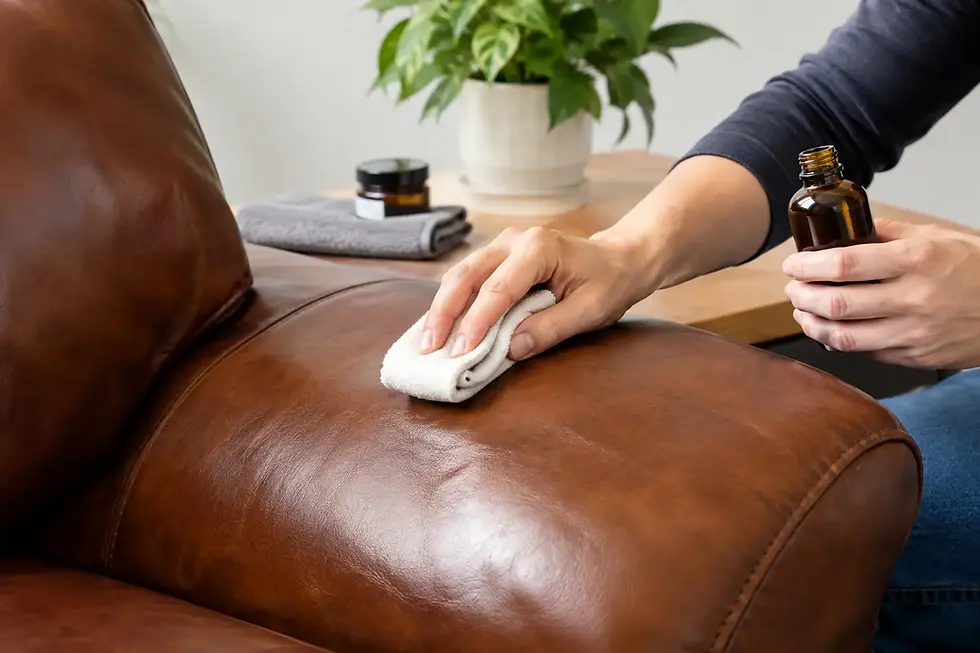
There is no shortage of leather wipes, sprays and repair kits, but they are not always the bargain they appear to be. Many products are designed as short-term cosmetic fixes. Some contain strong solvents, silicone or heavy coatings that interfere with later professional work.
Using washing-up liquid, baby wipes or multi-purpose cleaners is another common mistake. These can remove protective finishes, dry the leather out or leave residues that attract more dirt. Bleach should never be used on leather upholstery, even when a stain feels urgent. It can permanently remove colour and weaken the surface.
DIY repair may be reasonable for very minor maintenance if you use a product suited to your furniture and follow the instructions carefully. However, when the damage involves lost colour, a noticeable stain, cracking, it is usually better to have it assessed first. A specialist has the materials and experience to deal with the cause of the problem as well as its appearance.
Choosing restoration over replacement
Leather Upholstery Repair or Replacement? Replacing a leather sofa is not just the cost of buying new furniture. There is delivery, disposal, time spent shopping and the uncertainty of whether a new suite will feel as comfortable as the one you already know. A quality sofa with a solid frame may have many years of useful life left, even when its surface looks neglected.
Restoration makes particular sense when the furniture suits the room, is part of a matching set or was a significant investment. It is also a practical choice if the damage is isolated. There is little value in replacing an entire sofa because of one bleach mark, an ink line or worn colour on a single armrest.
That said, restoration is not always the right answer. Extensive peeling across bonded leather, severe structural damage, failing cushions or widespread cracking may mean replacement is the more sensible long-term option. The value of an honest quotation is that you can make that decision with a clear understanding of the likely result and cost.
What to expect from an on-site leather repair
The easiest starting point is to take a few clear photographs of the affected area and the full item of furniture. Include close-ups of the damage, a wider shot showing the overall colour, and your location. This gives the repairer enough information to advise whether the issue is likely to be repairable and to prepare a quotation.
On the day, the furniture is assessed again before work begins. The repair area is cleaned and prepared, then any filling, colour work or refinishing is carried out as required. The time needed depends on the type and extent of damage, but many targeted repairs can be completed without disrupting the household for days.
Ashbourne Leather Care provides this practical, mobile service for homeowners across Dublin, Meath, Kildare and Louth. The focus is straightforward: restore the appearance of damaged leather furniture at your home, where possible, rather than asking you to replace a piece that still has plenty of life in it.
Keeping restored leather looking its best
Once leather has been professionally restored, simple habits can help preserve the result. Keep sofas away from strong direct sunlight where possible, as UV light is a major cause of fading. Wipe up fresh spills promptly with a clean, soft cloth rather than rubbing them into the surface.
Avoid sitting on the arms, as this puts extra pressure on the leather and stitching. If pets are allowed on the sofa, throws can protect favourite sleeping spots from claws and oils. Regular gentle cleaning with a suitable leather cleaner is better than waiting until the surface looks heavily soiled.
Most importantly, act early when an accident happens. A fresh ink mark or small scrape is generally easier to deal with than damage that has been scrubbed, coated or left to worsen. Your leather furniture does not have to look perfect to be worth saving - but the right repair at the right time can bring back the colour, comfort and pride you felt when it first arrived in your home.


Comments