


Repair or Replace Leather Sofa? Make the Right Call

Repair or Replace Leather Sofa? Make the Right Call. That favourite leather sofa can look beyond saving after a spill, a scratch from the dog or years of fading by the window. Before deciding whether to repair or replace sofa furniture, look past the surface damage. A quality leather sofa may still have a strong frame, comfortable cushioning and many useful years ahead - even if its colour and finish have seen better days.
Replacement is sometimes the sensible choice. But for many homeowners, professional leather restoration is the faster, less disruptive and more cost-effective answer. The right decision comes down to the sofa's structure, the type of leather, the extent of the damage and what a replacement of similar quality would really cost.
Repair or replace sofa: start with the structure
Repair or Replace Leather Sofa? Make the Right Call. Leather upholstery is only one part of a sofa. If the frame, suspension and seat support are sound, visible wear does not automatically mean the furniture is finished. In fact, fading, scuffs, cracking in the finish, colour loss and isolated stains are often repairable without taking the sofa out of your home.
Start by sitting on each seat and checking for movement, sagging or creaking. Look underneath where possible for broken timber, loose webbing or damaged springs. A sofa with a seriously broken frame or collapsed support may need more extensive upholstery work than a surface restoration can provide. In that case, replacement may be worth considering.
If the sofa remains comfortable and stable, however, its leather may be the only part letting it down. This is especially common with well-made furniture that has been used daily by a busy household. The leather around the headrests, armrests and front edges tends to show wear first, while the rest of the piece may be in excellent condition.
Damage that can often be repaired
Not every mark needs a new sofa. Specialist leather repair focuses on restoring the appearance and protective finish of the upholstery, while retaining the comfort and character of the furniture you already know and like.
A professional assessment can identify whether the leather has suffered a surface issue, colour loss damage. Common problems that can often be improved include:
faded or sun-bleached panels
scuffs, scratches and scrape marks
ink, glue, nail polish and accidental household stains
bleach marks and areas of lost colour
worn armrests, headrests and seat cushions
The method matters. Rubbing at an ink mark with household cleaners, applying an unsuitable conditioner or trying to colour over a bleach stain can spread the damage or leave a patch that looks worse than the original problem. Leather finishes vary greatly, and a treatment that appears harmless on one sofa can strip colour or alter the sheen on another.
A specialist can clean and prepare the affected area, carry out targeted repairs where needed, match the colour and restore an even finish. For widespread wear, a larger refurbishment may bring consistency back to the whole sofa rather than leaving newly repaired areas beside faded leather.
When replacement is likely to make more sense
Restoration is not a promise that every sofa can be made new again. If leather has become severely dry, brittle and cracked across large areas, or if the underlying structure is failing, the work required may not represent good value. The same applies where there is extensive damage from pets, water or mould that has affected the padding and internal materials.
Replacement can also be the right choice if your household needs have changed. Perhaps the sofa no longer fits the room, does not provide enough seating or has never been comfortable. Repairing a piece that does not suit your home is different from restoring a sofa you genuinely want to keep.
Even then, compare like with like. A low-priced replacement may look attractive at first, but may not offer the same leather quality, frame construction or seat comfort as the sofa you own. Many people only realise this after replacing a substantial older sofa with a newer piece that feels lighter, less supportive or wears quickly.
The cost question is about value, not just price
It is natural to compare a repair quotation with the ticket price of a new sofa. The more useful comparison is between restoration and a replacement of genuinely similar quality, including delivery, disposal of the old furniture and the inconvenience of waiting for a new order.
Professional restoration can be particularly worthwhile when the sofa is part of a matching suite, fits the room perfectly or has been chosen carefully to suit your home. Replacing one damaged piece can create a mismatch with existing chairs, footstools or décor. Restoring its colour and finish may protect the look of the entire room.
There is also the practical benefit of on-site work. Rather than arranging collection, clearing access through the house and managing delivery dates, targeted leather repairs can often be completed at your premises. For households in Dublin, Meath, Kildare and Louth, this keeps the process straightforward and avoids being without essential seating for weeks.
Look closely at the type of wear
A sofa can look badly worn because of a small, localised issue. A dark stain on a pale cushion, a bleach splash on an armrest or a patch of colour loss where someone rests their head can draw attention to the entire piece. Once that area is professionally treated, the sofa may look dramatically better.
More even wear requires a different approach. If both armrests, the seat fronts and headrests have lost colour, a partial repair may not be enough. A wider colour restoration and refinishing service can create a more balanced result, bringing tired leather back towards its original appearance.
The condition of the leather itself is key. Good leather should still have flexibility. If it feels supple but looks dull, faded or marked, there is often strong potential for refurbishment. If it feels stiff, flakes heavily or splits when gently flexed, the assessment becomes more cautious. A reputable specialist should be clear about the likely outcome before work begins.
Do not let a quick fix create a bigger problem
When damage happens, the temptation is to act immediately. With leather, that can be risky. Nail polish remover, bleach-based cleaners, abrasive cloths and general-purpose sprays can remove dye, dry out the surface or create a shiny patch. Heat from a hairdryer may also set some stains or affect the finish.
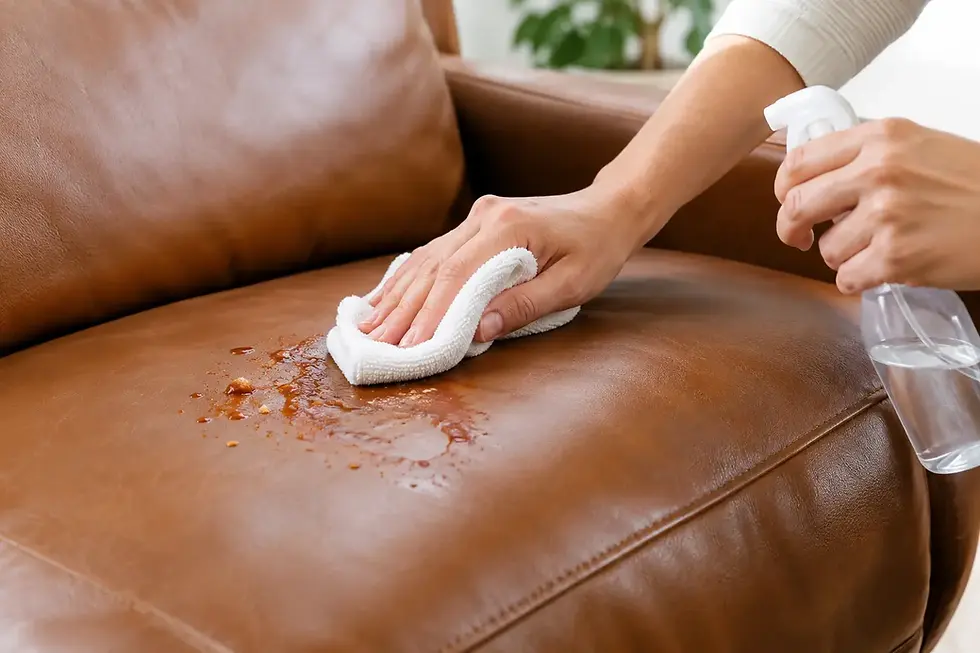
For fresh spills, gently blot rather than rub. Avoid soaking the leather, and keep pets or children away from damaged areas until they can be assessed. If you have the product that caused the mark, keep the packaging or take a photo of it. That information can help identify the safest treatment.
Photos are also the best first step when deciding whether restoration is worthwhile. Take clear pictures in natural light, including a close-up of the damage and a wider view showing the sofa's overall condition. This makes it easier to judge the scale of the repair and provide a realistic quotation.
A considered choice for furniture worth keeping
A leather sofa does not have to be pristine to be worth saving. It needs to have a sound foundation and a place in your home. If it is comfortable, well-built and right for the room, surface damage may be a reason to restore rather than start again.
Ashbourne Leather Care provides mobile leather furniture restoration for homeowners who want practical, professional results without the upheaval of replacement. Share photos of the damage and your location to find out what can be done. A well-timed repair can bring your leather back to life and give a much-loved sofa the finish it deserves.


Comments